class: title, center, middle # Popular Music and Civil Rights  ### Christopher Witulski, Ph.D. ### College of Musical Arts --- # Outline - The early Civil Rights movement - Motown’s successes - Civil Rights in the music industry - Changing styles: Stax, funk - Overt activist messages - From the 60s to the 70s --- # Music and Civil Rights .image-40.image-float-right[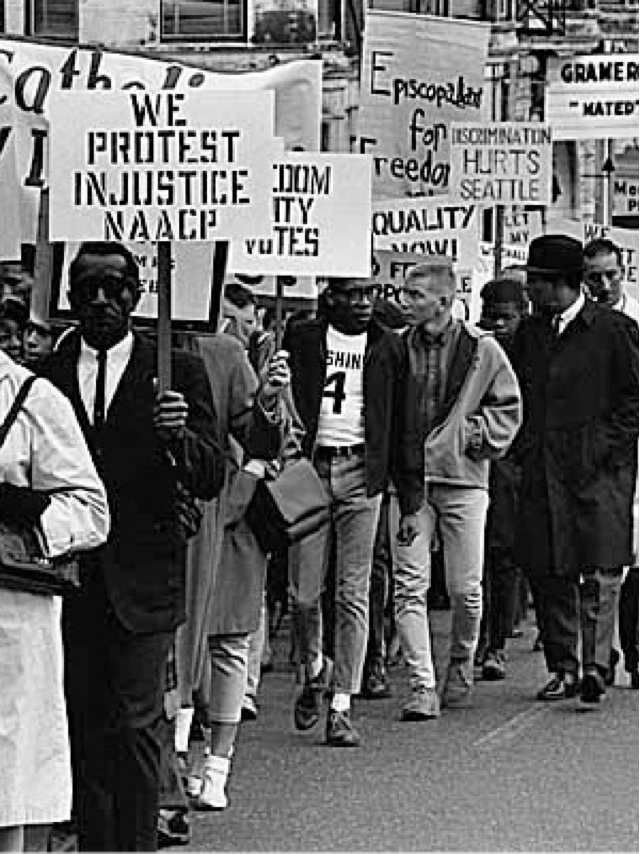] - Tracing the movement through musical productions - Two distinct “eras”: - 1954-1964 - 1965-1967 --- # Music and Civil Rights .image-40.image-float-right[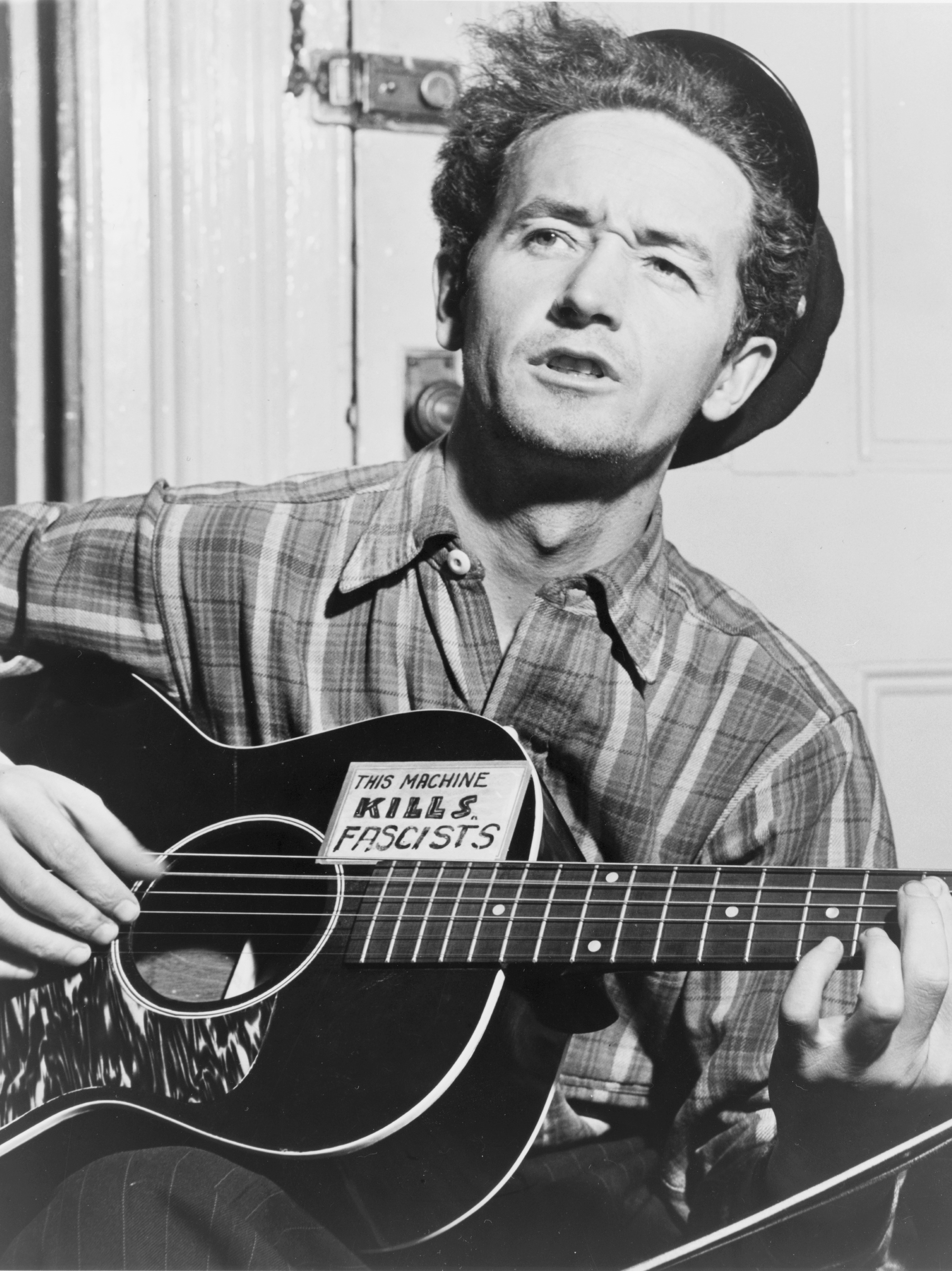] - Tracing the movement through musical productions - Two distinct “eras”: - 1954-1964 - 1965-1967 - Commonly drew from labor movements - Springboard to organization - From gospel to folk - Woody Guthrie: “This Land Is Your Land” --- class: middle, center <iframe width="560" height="315" src="https://www.youtube.com/embed/IlaqPRCuRhU?si=cq3LinBBGc8DZ1yq" title="YouTube video player" frameborder="0" allow="accelerometer; autoplay; clipboard-write; encrypted-media; gyroscope; picture-in-picture; web-share" referrerpolicy="strict-origin-when-cross-origin" allowfullscreen></iframe> ### Woody Guthrie: “This Land is Your Land” Listen to verses at 1:52, 2:32, and 3:00. --- # The Beginning... (not really, of course) .image-50.image-float-right[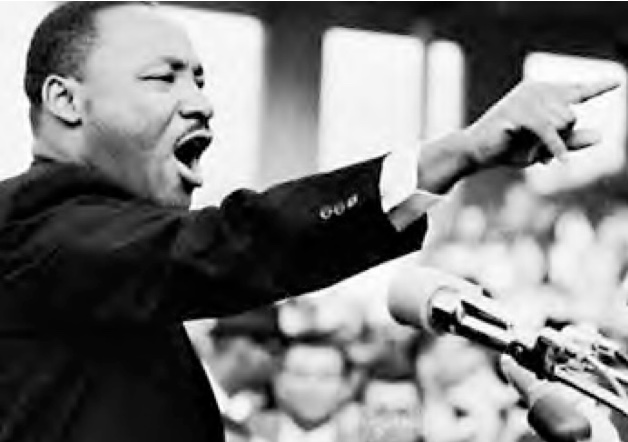] - Dr. Martin Luther King, Jr. - Preacher with political connections (NAACP, etc) > While this spiritual-secular coalition was forming in the political sector, the music world was witnessing the breaking of a longstanding taboo, as gospel began to fuse with rhythm and blues” (Nelson George, journalist) --- # The Beginning... (not really, of course) .image-50.image-float-right[] - Dr. Martin Luther King, Jr. - Preacher with political connections (NAACP, etc) - “The Devil's Music” - “Apocalyptic”: “The black church was becoming a force to be reckoned with in the material world” - Combining gospel with R&B - Use of organ - Call and response - Background choruses - Example: Faye Adams: “Shake a Hand” (1953) --- class: middle, center <iframe width="560" height="315" src="https://www.youtube.com/embed/XiRowjEUB4s?si=U5w4j8ivIc_JwENz" title="YouTube video player" frameborder="0" allow="accelerometer; autoplay; clipboard-write; encrypted-media; gyroscope; picture-in-picture; web-share" referrerpolicy="strict-origin-when-cross-origin" allowfullscreen></iframe> ### Faye Adams: “Everyday” --- class: middle, center <iframe width="560" height="315" src="https://www.youtube.com/embed/gcHwWNBM24A?si=z9LrZyAzcisrpUoV" title="YouTube video player" frameborder="0" allow="accelerometer; autoplay; clipboard-write; encrypted-media; gyroscope; picture-in-picture; web-share" referrerpolicy="strict-origin-when-cross-origin" allowfullscreen></iframe> ### Faye Adams: “Somebody Somewhere” --- class: middle, center <iframe width="560" height="315" src="https://www.youtube.com/embed/yddHfpbK438?si=c7B-GfTvfD9nh3z0" title="YouTube video player" frameborder="0" allow="accelerometer; autoplay; clipboard-write; encrypted-media; gyroscope; picture-in-picture; web-share" referrerpolicy="strict-origin-when-cross-origin" allowfullscreen></iframe> ### Sam Cooke: “Twisting the Night Away” --- # Music and Civil Rights - Civil rights as a national issue - Rosa Parks in 1955, for example - Shifting tastes in popular music markets - Early rock based on southern R&B styles - Chuck Berry (“good music for white people”), Ray Charles... - Lyrics did not portray activist themes directly - No outright demand for rights - Girl groups in the 60s redefine the pop sound - Shirelles, Ronettes - Aesthetic change alongside sit ins, March on Washington... --- class: middle, center <iframe width="560" height="315" src="https://www.youtube.com/embed/e-dr1PZZMds?si=nMxkLzyaUyWYx-U9" title="YouTube video player" frameborder="0" allow="accelerometer; autoplay; clipboard-write; encrypted-media; gyroscope; picture-in-picture; web-share" referrerpolicy="strict-origin-when-cross-origin" allowfullscreen></iframe> ### The Ronettes: “Be My Baby” (1965) --- # Barry Gordy and Motown .image-50.image-float-right[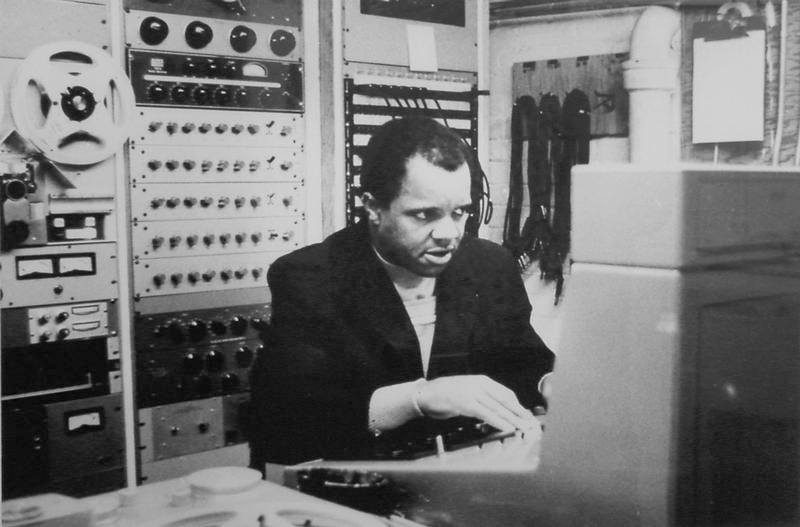] - 1962: 42% of singles are by black artists - Highlights the change in popular tastes - Motown Records, owned by Berry Gordy - Most significant black owned record label ever - Based in Detroit, MI - Incorporate white tastes while maintaining a “black sound” - Upbeat, danceable, smooth, “slick” studio aesthetic - Not threatening in any way (in tone or lyrical content) --- class: middle, center <iframe width="560" height="315" src="https://www.youtube.com/embed/cmJhEdbqvSw?si=g87V6D4FgSD4zCgd" title="YouTube video player" frameborder="0" allow="accelerometer; autoplay; clipboard-write; encrypted-media; gyroscope; picture-in-picture; web-share" referrerpolicy="strict-origin-when-cross-origin" allowfullscreen></iframe> ### The Marvelettes: “Please Mr. Postman” --- class: middle, center <iframe width="560" height="315" src="https://www.youtube.com/embed/C_CSjcm-z1w?si=bTRYwvz7XgJbMccU" title="YouTube video player" frameborder="0" allow="accelerometer; autoplay; clipboard-write; encrypted-media; gyroscope; picture-in-picture; web-share" referrerpolicy="strict-origin-when-cross-origin" allowfullscreen></iframe> ### The Temptations: “My Girl” (1965) --- # Civil rights in the industry .image-40.image-float-right[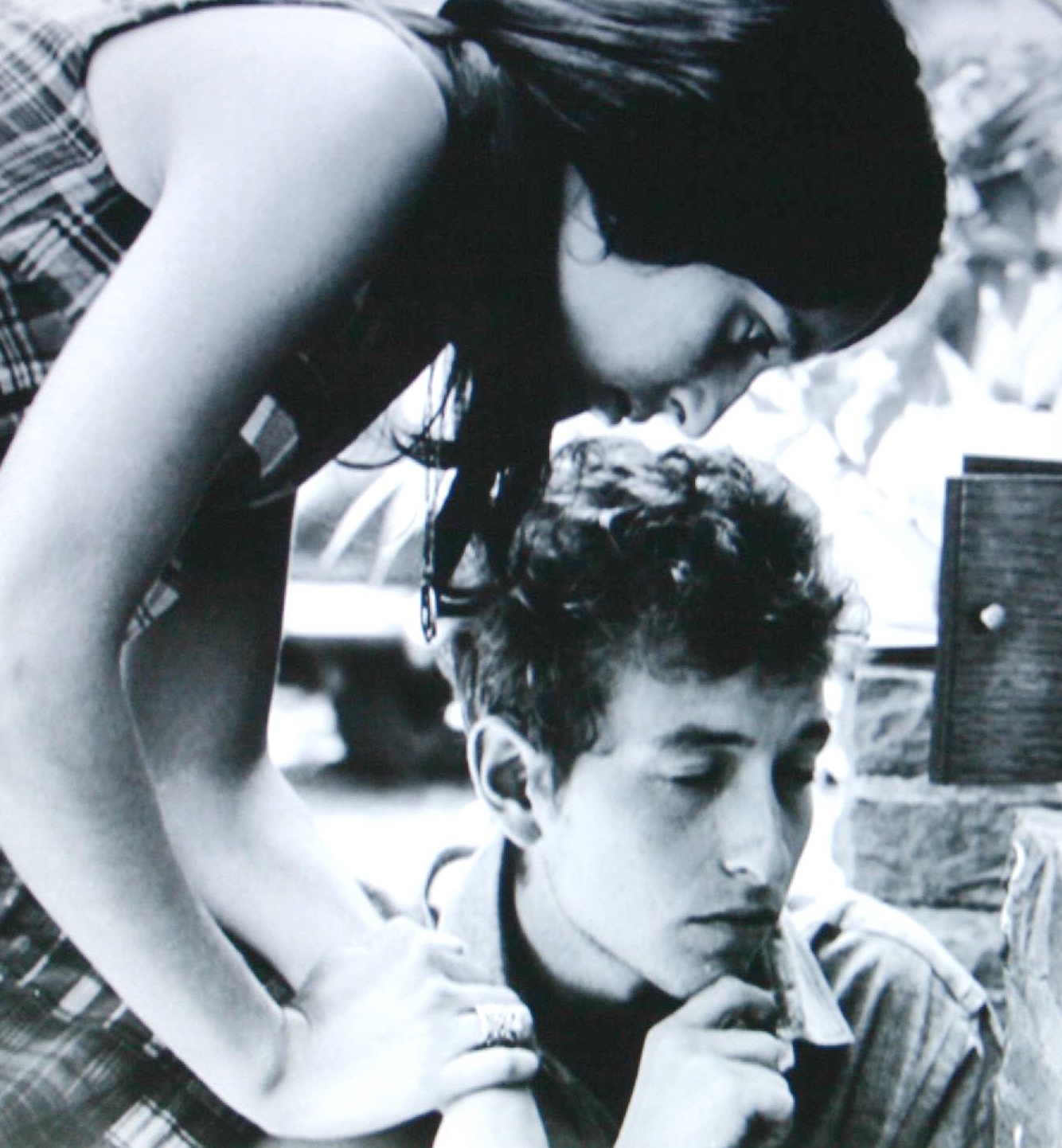] - Direct references to change in some lyrics, content - Not in popular music, mostly folk and jazz - Importance of Bob Dylan, Joan Baez, Pete Seeger - Black artists rarely able to speak freely - Only after they achieved a certain fame and recognition - Difference between power of white and black artists --- class: middle, center <iframe width="560" height="315" src="https://www.youtube.com/embed/IHfo7oyDxVc?si=7aIpYaeDLawFjMCE" title="YouTube video player" frameborder="0" allow="accelerometer; autoplay; clipboard-write; encrypted-media; gyroscope; picture-in-picture; web-share" referrerpolicy="strict-origin-when-cross-origin" allowfullscreen></iframe> ### Bob Dylan: “The Lonesome Death of Hattie Carroll” --- # Sam Cooke .image-40.image-float-right[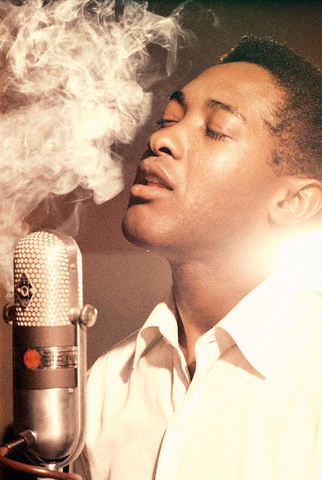] - “A Change is Gonna Come” (1965) - Inspired by Dylan's “Blowing in the Wind” - Shot to death before the single was released - Two weeks later, Malcom X assassinated - The song became an anthem of the civil rights movement .center[<audio controls="controls"> <source src="/assets/sam-cooke-a-change-is-gonna-come.m4a" type="audio/mp3"> </audio>] --- # 1965: shifting styles .image-50.image-float-right[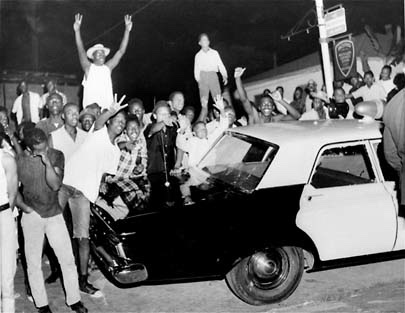] - Major events signal change - March from Selma to Montgomery - Voting Rights Act - Riots in Watts, elsewhere - “Black Power” coined - Nina Simone's “Mississippi Goddam” - Era is “about to erupt” - Change in tone, content, lyrics --- class: middle, center <iframe width="560" height="315" src="https://www.youtube.com/embed/ghhaREDM3X8?si=_ZO4nMx0fgUWumHk" title="YouTube video player" frameborder="0" allow="accelerometer; autoplay; clipboard-write; encrypted-media; gyroscope; picture-in-picture; web-share" referrerpolicy="strict-origin-when-cross-origin" allowfullscreen></iframe> ### Nina Simone: "Mississippi Goddamn" --- # Motown and Stax .image-50.image-float-right[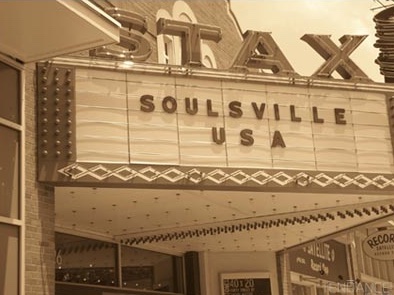] - Stax Records - Challenges Motown’s polished sound - “Closer to the roots” R&B from Memphis, TN - Included collaborations between other small studios - Muscle Shoals, Atlantic, etc. - Unlike Motown - Loosely controlled - White owned - Creative functions handled by integrated producers, artists - “Memphis sound” from cross-racial productions - “Aimed at R&B fans first, pop second” --- class: middle, center <iframe width="560" height="315" src="https://www.youtube.com/embed/09unkUlX9DA?si=3OjUaRL3py-erxmG" title="YouTube video player" frameborder="0" allow="accelerometer; autoplay; clipboard-write; encrypted-media; gyroscope; picture-in-picture; web-share" referrerpolicy="strict-origin-when-cross-origin" allowfullscreen></iframe> ### Wilson Pickett: “Land of 1,000 Dances” --- class: middle, center <iframe width="560" height="315" src="https://www.youtube.com/embed/egOpAvq93EY?si=PmZ2Va_xRvVDxlEa" title="YouTube video player" frameborder="0" allow="accelerometer; autoplay; clipboard-write; encrypted-media; gyroscope; picture-in-picture; web-share" referrerpolicy="strict-origin-when-cross-origin" allowfullscreen></iframe> ### Sam and Dave: “Soul Man” --- # Responses - Simplicity in recording becomes a mark of “authenticity” - Motown sound criticized as being “out of touch” with African roots - Stax's popular success marks changing climate > Otis Redding: “Motown does a lot of overdubbing... at Stax we cut together, horns, rhythms, and vocal... Until last year, we didn’t even have a four track recorder. You can’t overdub on a one track machine.” --- # Aretha Franklin .image-40.image-float-right[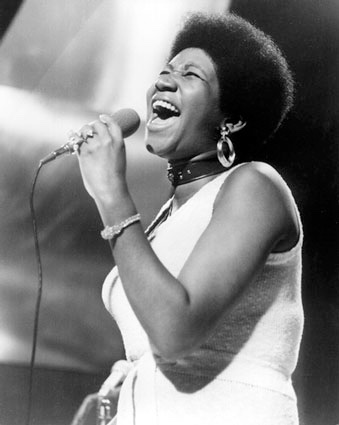] - Signed with Atlantic, Muscle Shoals, in 1967 - Covered Otis Reddings's “Respect” - “Transformed from a demand for conjugal rights into a soaring cry of freedom.” - Deemed “Lady Soul” - Vocal prowess expressed the passion, force of the era --- class: middle, center <iframe width="560" height="315" src="https://www.youtube.com/embed/WWoDflSKHh4?si=s03m6hUqUHA29MYp" title="YouTube video player" frameborder="0" allow="accelerometer; autoplay; clipboard-write; encrypted-media; gyroscope; picture-in-picture; web-share" referrerpolicy="strict-origin-when-cross-origin" allowfullscreen></iframe> ### Otis Redding: “Respect” --- class: middle, center <iframe width="560" height="315" src="https://www.youtube.com/embed/eaPrc3HHxZg?si=DdTxuJvqBU8WDlnk" title="YouTube video player" frameborder="0" allow="accelerometer; autoplay; clipboard-write; encrypted-media; gyroscope; picture-in-picture; web-share" referrerpolicy="strict-origin-when-cross-origin" allowfullscreen></iframe> ### Aretha Franklin: “Respect” --- class: title, center, middle # Popular Music and Civil Rights  ### Christopher Witulski, Ph.D. ### College of Musical Arts